October 3, 2026
Trees add shade, character, privacy, and natural beauty to a property, but managing damaged, diseased, or unstable trees can involve significant hazards. Tree work often combines sharp equipment, heavy limbs, unpredictable movement, elevated working positions, and nearby structures. When chainsaws enter the equation, the consequences of a mistake can become particularly serious. For these reasons, property owners often turn to professional tree removal companies when a tree needs to be taken down or potentially dangerous branches require attention.
The risks associated with tree work are not limited to the person operating a chainsaw. Falling branches can threaten people on the ground, nearby vehicles, buildings, fences, landscaping, and utility infrastructure. Even a tree that appears straightforward to remove may have internal decay, an uneven canopy, compromised roots, or tension within its limbs that affects how it moves. Understanding these hazards helps explain why professional planning, equipment, and experience are so important.
Understanding the Hazards of Chainsaw Tree Work
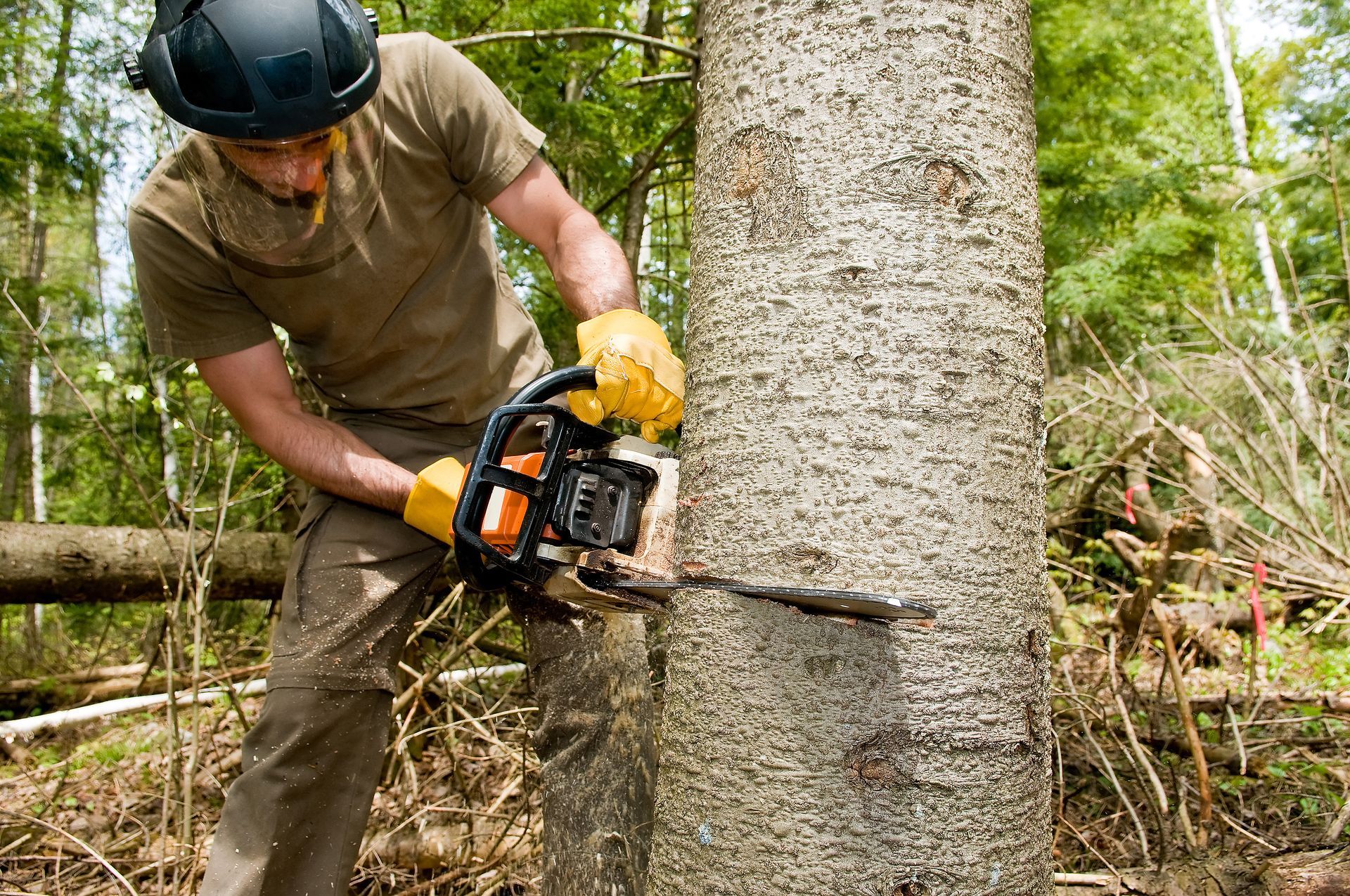
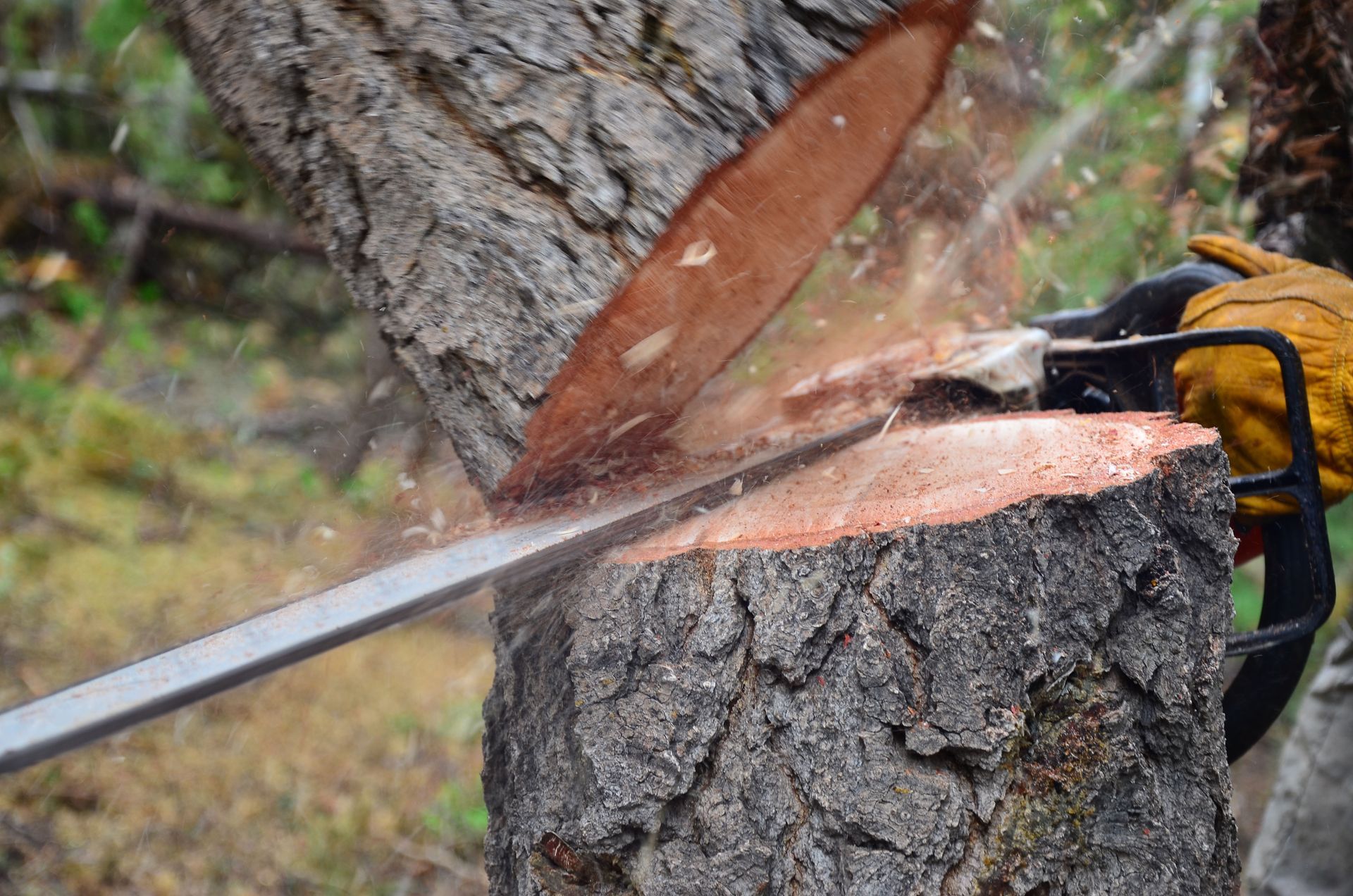
Chainsaws are powerful tools designed to cut through dense wood efficiently. That capability also means they can cause severe injuries when they are mishandled, when operating conditions change unexpectedly, or when the person using the equipment loses control. Tree work adds another layer of complexity because the material being cut may shift, split, roll, swing, or fall once its structural support changes.
The scale of the issue is significant. According to the CDC, approximately 36,000 people receive treatment in hospital emergency departments each year for chainsaw-related injuries, with the danger increasing after hurricanes and natural disasters as people attempt to clear fallen trees and branches. Storm cleanup can be particularly hazardous because damaged trees may be tangled with other limbs, structures, or utility lines.
Professional tree removal companies approach these conditions as a combination of hazards rather than viewing chainsaw operation as an isolated task. The condition of the tree, surrounding property, weather, terrain, equipment, and movement of workers all influence how a job should be managed.
Recognizing the Unpredictability of Damaged Trees
A standing tree may appear stable from ground level while containing defects that are difficult for an untrained observer to recognize. Internal decay can weaken trunks and major limbs. Cracks may indicate structural separation, while damaged roots can reduce stability throughout the entire tree. Dead sections can also break unexpectedly when the tree is disturbed.
Storm-damaged trees present additional concerns. Limbs can become suspended in neighboring trees, trunks can lean under unusual loads, and partially uprooted trees may remain standing temporarily despite compromised support. Wood under pressure or tension can move rapidly when cut, creating a dangerous situation even when the person performing the work believes the path is clear.
Experienced tree removal companies evaluate these conditions before major work begins. Assessment allows professionals to consider how different parts of the tree may respond as weight is removed and whether nearby obstacles create additional concerns. This planning is essential because tree removal involves managing changing forces rather than simply cutting wood.
Managing the Risks Around the Work Area
The space surrounding a tree can be just as important as the tree itself. Residential properties may contain roofs, sheds, fences, driveways, vehicles, outdoor living spaces, gardens, and neighboring structures within the potential work zone. Trees may also grow close to utility infrastructure or over areas frequently used by pedestrians.
Branches do not always fall directly downward. Their shape, weight distribution, attachment point, and interaction with surrounding limbs can influence their movement. A branch can rotate or swing as it separates, while sections of a trunk can shift after supporting material is removed. These possibilities make maintaining a controlled work area an important part of professional tree care.
Reputable tree removal companies account for the surroundings when determining how to approach a project. Instead of focusing exclusively on the cutting point, professionals consider where material can travel and how people and property can remain separated from potential hazards. Careful site management helps reduce unnecessary exposure throughout the project.
Using the Right Equipment for Tree Conditions
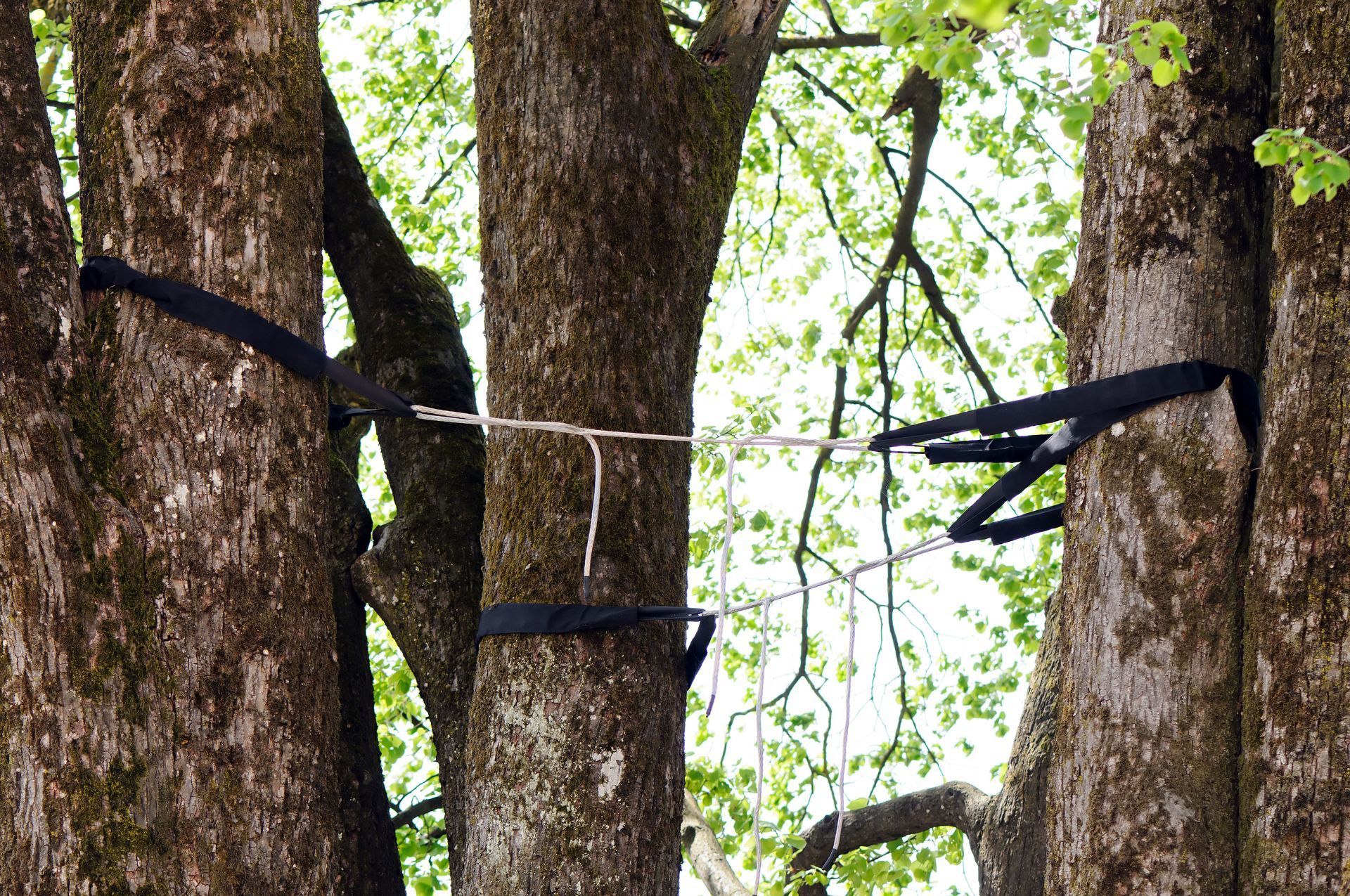
Professional tree work may require far more than a chainsaw. Depending on the tree and site, crews can rely on specialized climbing systems, rigging equipment, protective gear, ropes, machinery, and other tools designed for specific tasks. Equipment selection depends on factors such as tree size, accessibility, condition, and proximity to structures.
Established tree removal companies also understand that equipment must be suitable for the conditions in which it is used. A tool that works effectively for an accessible tree in an open area may not be appropriate for a compromised tree surrounded by structures. Professional judgment helps match equipment and techniques to the specific demands of the property.
Accounting for the Challenges of Elevated Work
Many tree removal projects involve work above ground level. Height introduces additional hazards because workers must maintain secure positioning while dealing with branches, tools, and changing weight within the tree. A mistake that might be manageable on the ground can have much greater consequences when it occurs at elevation.
Tree structure can make positioning complicated as well. Branches may not provide reliable support, particularly when they are dead, cracked, diseased, or storm-damaged. The canopy can also limit visibility and movement. Meanwhile, workers must remain aware of people and equipment below them.
Professional tree removal companies consider both the worker’s position and the movement of tree material during elevated operations. Coordinating activity between workers helps prevent people from entering hazardous areas while material is being managed. This organized approach is especially important when a project requires multiple tasks to occur within the same work zone.
Responding to the Complications of Storm Damage
Severe weather can transform familiar trees into unpredictable hazards. High winds and saturated soil may loosen root systems, split trunks, or leave large limbs hanging overhead. Fallen trees can become intertwined with fences, roofs, other trees, or utility infrastructure, creating conditions that are difficult to evaluate from appearance alone.
The urgency following a storm can also contribute to risk. Property owners naturally want to restore access, remove debris, and address visible damage quickly. However, unstable trees can continue shifting after the weather passes. A branch that remained suspended during the storm may fall later, while a leaning tree can become less stable as soil conditions change.
Tree removal companies can evaluate storm-related damage with attention to these changing conditions. Professional assessment helps identify hazards that may not be immediately obvious and supports an organized response rather than an improvised attempt to clear dangerous material.
Reducing the Risks Through Professional Planning
Safety in tree work begins before cutting starts. Professionals must evaluate the tree, surrounding environment, available working space, and potential obstacles. Planning also involves considering how the tree’s condition may change as branches and trunk sections are removed.
Communication is another important element. Tree work frequently requires coordination among crew members responsible for different aspects of the project. Clear communication helps workers understand when material is moving, where equipment is operating, and which areas need to remain clear.
Professional tree removal companies combine planning, equipment, training, and site awareness to manage the interconnected hazards of tree work. Although no physical project is entirely without risk, a structured approach can reduce preventable dangers and provide greater control over complex conditions.
Protecting People and Property Through Professional Tree Care
Tree removal is much more than operating a chainsaw. It requires understanding tree structure, recognizing instability, managing falling material, protecting the surrounding property, and adapting when conditions change. These considerations become particularly important when trees are damaged, located near buildings, or affected by severe weather.
Choosing qualified tree removal companies allows property owners to place complicated tree work in the hands of professionals equipped to evaluate and manage its hazards. Rather than treating removal as a simple cutting project, professional crews can consider the entire work environment and determine an appropriate approach based on the tree and property.
When a damaged, unstable, or unwanted tree needs professional attention, we are ready to help. At Nadeau Tree Service, our team can assess your tree care needs and provide appropriate service with attention to the conditions surrounding your property. Contact us to discuss your tree concerns and learn more about our professional tree services.