November 10, 2026
Winter weather can make tree removal more challenging, especially when trees are located near buildings, power lines, driveways, or other obstacles. Freezing temperatures, snow-covered ground, and icy branches can affect equipment access, worker safety, and the techniques needed to remove hazardous trees. Understanding these seasonal challenges helps property owners prepare for projects and make informed decisions about when to schedule professional services. With careful planning, complex tree removals can be managed more safely, even when winter conditions create additional obstacles.
Understanding the Challenges of Winter Tree Removals
Winter brings environmental conditions that can complicate tree removal projects. Snow and ice can make trees heavier in certain areas, increase the risk of falling branches, and create slippery surfaces for workers and equipment. Strong winter winds may also place additional stress on damaged trees, making them less predictable during removal.
Trees growing near homes, garages, fences, or utility lines require particularly careful planning. Crews must determine how to lower branches and sections of the trunk without damaging nearby structures. When the ground is frozen or covered in snow, identifying obstacles and assessing the work area can become more difficult.
According to IBISWorld, the tree trimming industry in the United States employs more than 311,000 people. This workforce supports a range of services, including maintaining trees and addressing hazards that may become more concerning during severe weather. Experienced professionals can evaluate winter conditions and determine the appropriate approach for each property.
Complex tree removals often require additional coordination because the weather can change quickly. Assessing the tree's condition, surrounding structures, and ground conditions before beginning work helps crews determine whether the project can proceed safely.
Managing Snow and Ice Around the Work Area
Snow and ice can significantly affect access to trees and the stability of equipment. A driveway that appears accessible may conceal icy patches, while snow-covered ground can hide rocks, roots, drainage features, and other obstacles. These conditions may make it harder to position equipment safely or transport cut branches away from the work area.
Ice accumulation on branches can increase their weight, placing additional strain on weakened limbs. When those branches break, they may fall unpredictably, creating hazards for workers or nearby property. Trees with existing cracks, decay, or structural damage may be especially concerning during periods of freezing rain or heavy snowfall.
Before starting a winter project, crews may need to evaluate the following conditions:
- Access Routes: Driveways, paths, and equipment staging areas should be assessed for snow, ice, and adequate clearance.
- Ground Stability: Frozen or uneven ground can affect equipment positioning and make movement more difficult.
- Overhead Hazards: Snow-covered or ice-laden branches may be unstable and require careful assessment before cutting begins.
- Visibility: Snowfall, fog, and early winter sunsets can reduce visibility and affect how crews coordinate the work.
When conditions create excessive risk, postponing work may be the safest decision. Professional tree removals should be scheduled according to the site's actual conditions rather than a fixed timeline alone.
Evaluating Equipment Access and Ground Conditions
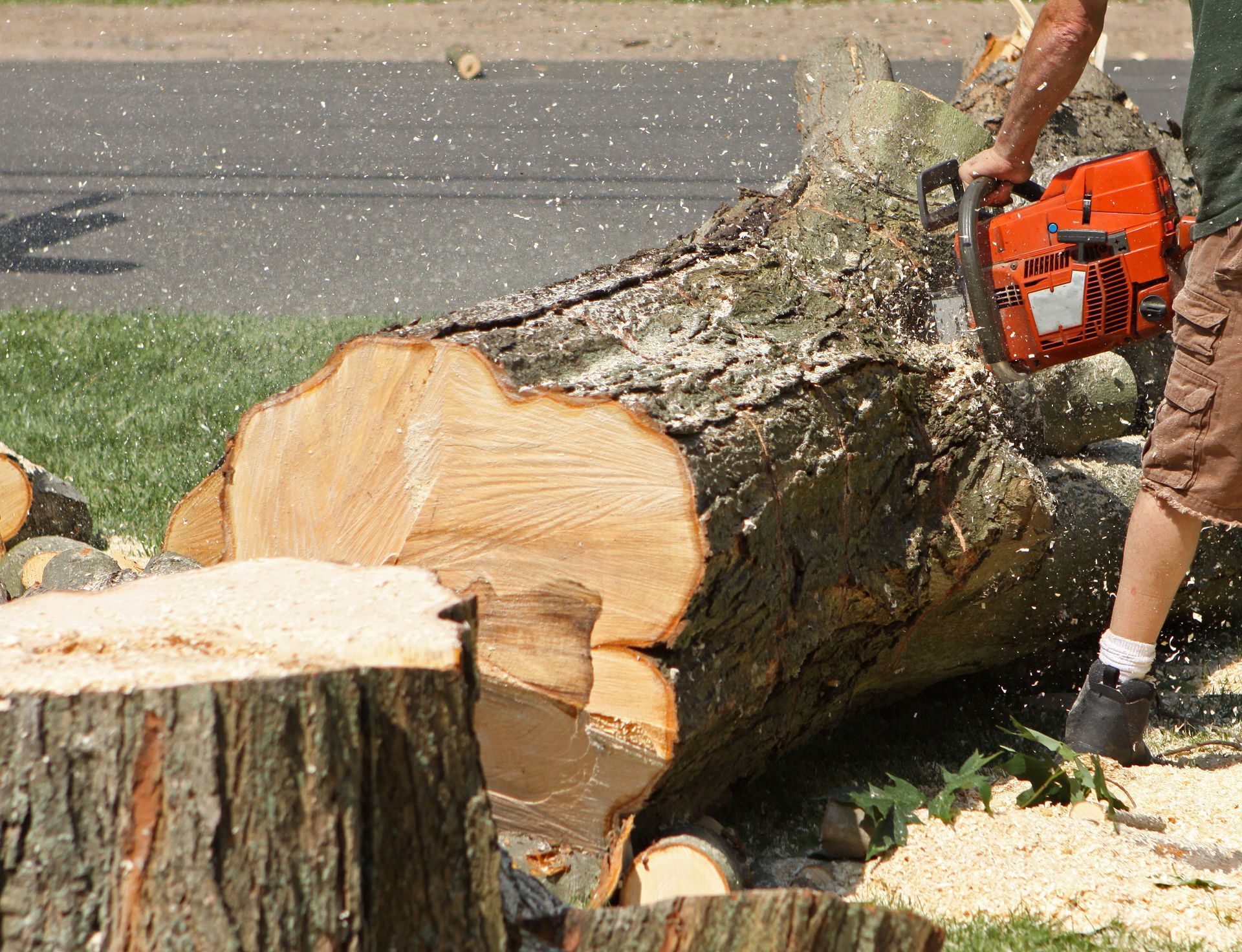
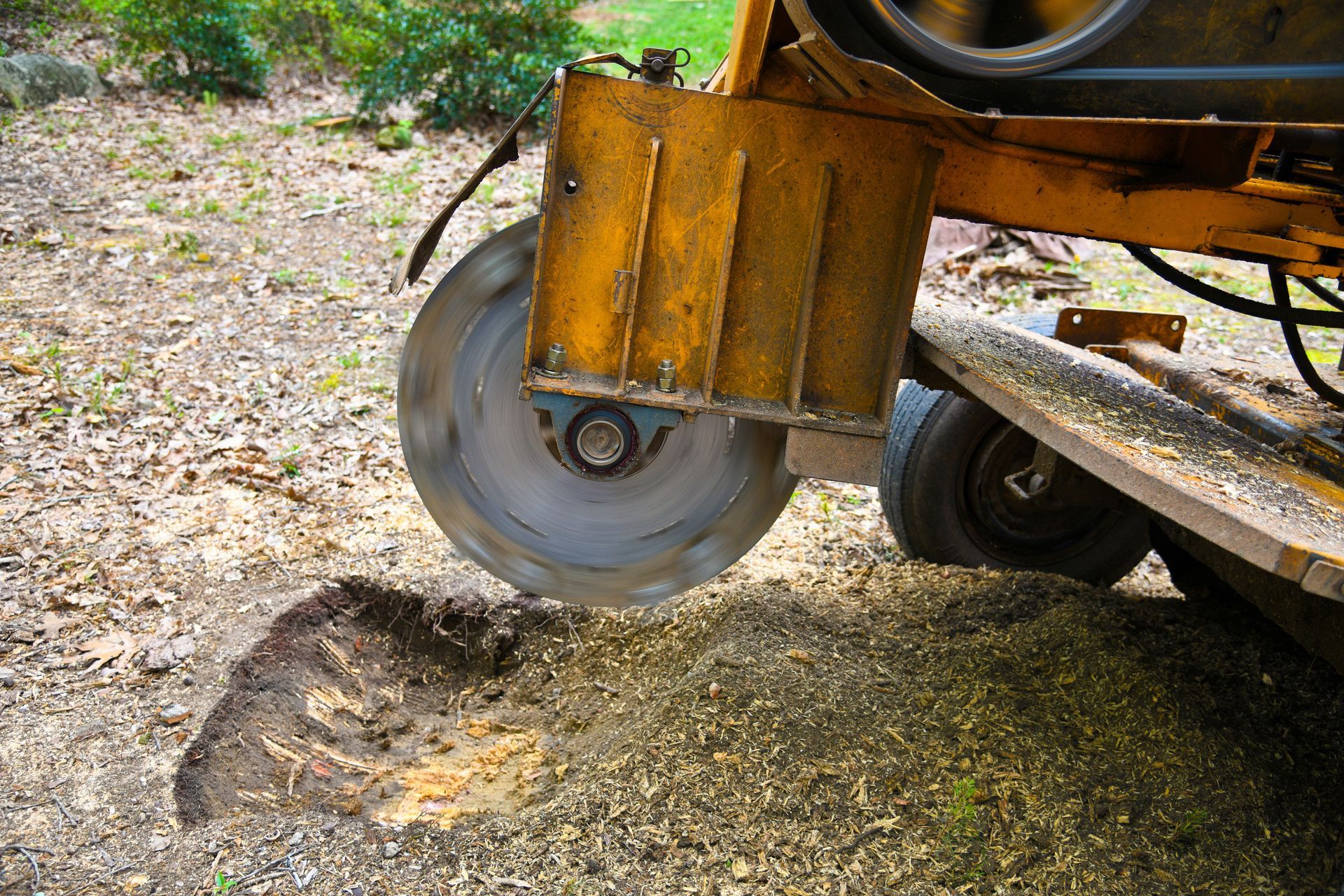
Winter weather can affect the machinery used to remove large or difficult-to-reach trees. Depending on the project, crews may need chainsaws, chippers, bucket trucks, or other specialized equipment. Each piece of equipment requires appropriate access, stable positioning, and enough room to operate.
Snowbanks can narrow driveways and restrict access to the tree. Frozen ground may support some equipment differently than thawing or saturated soil, so conditions must be evaluated rather than assumed. Slopes, retaining walls, landscaping features, and underground utilities can create additional considerations when heavy machinery must be positioned near the work area.
Cold temperatures can also affect equipment performance. Batteries may lose capacity, engines may require additional preparation, and hydraulic systems may need to operate within appropriate temperature ranges. Crews should follow manufacturer recommendations and inspect equipment before use to help ensure reliable operation.
For properties with limited access, planning becomes especially important. Professionals may need to identify alternative equipment positions or adjust the sequence of branch and trunk section removals. These decisions help reduce unnecessary movement across the property and limit the chance of equipment-related damage.
Protecting Nearby Structures and Landscaping
Removing a large tree near a home or other structure requires precision in every season, but winter conditions can make the process more complicated. Snow and ice may obscure rooflines, fences, garden beds, and other features that crews need to protect. Frozen branches can also break unexpectedly, increasing the importance of a carefully planned removal sequence.
Before work begins, the tree's height, lean, branch distribution, and condition should be evaluated in relation to the surrounding environment. Crews must consider where each section can be lowered and whether nearby structures, parked vehicles, or landscaping could be affected.
Protective measures may include establishing controlled work zones, selecting appropriate rigging methods, and removing branches in manageable sections. Where space is limited, experienced professionals can determine whether specialized techniques are needed to control the movement of heavy limbs and trunk sections.
Winter tree removals also require attention to the ground beneath the tree. Snow may conceal delicate landscaping or hardscape features, while repeated equipment movement can damage lawns and garden areas. Discussing property concerns before the project begins helps crews plan access routes and take reasonable steps to protect the surrounding landscape.
Prioritizing Worker Safety in Cold Conditions
Low temperatures introduce safety concerns that extend beyond the tree itself. Cold hands can reduce dexterity, bulky clothing may restrict movement, and icy surfaces can increase the risk of slips and falls. Wind chill and prolonged exposure can also contribute to cold-related illnesses if workers do not take appropriate precautions.
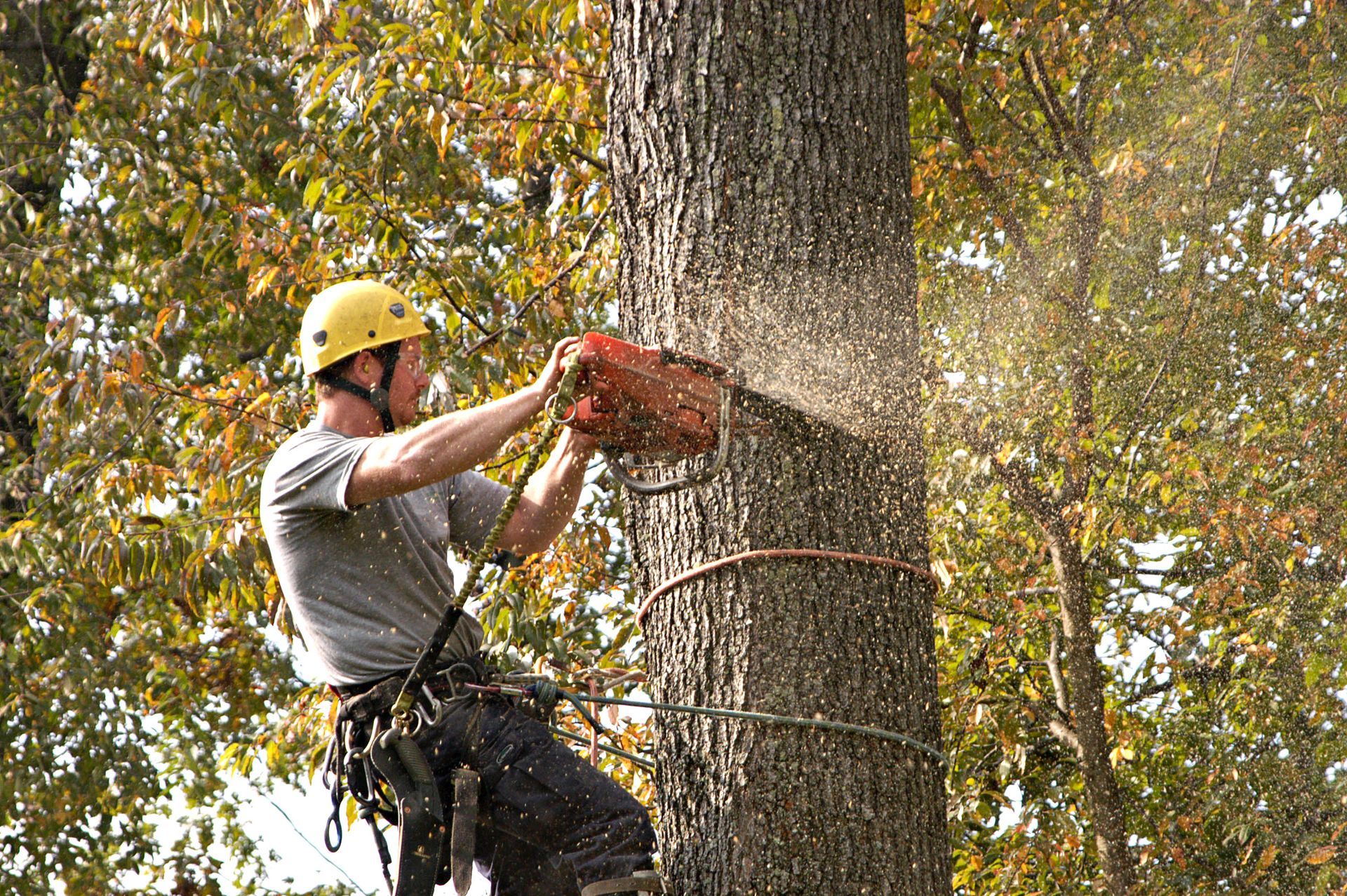
Professional crews should use suitable protective equipment, maintain safe footing, and monitor weather conditions throughout the project. Proper footwear, protective helmets, eye protection, and other task-specific safety gear remain essential. Workers also need to recognize when fatigue, reduced visibility, or changing conditions make continued work unsafe.
Communication is particularly important during complex removals. Team members must coordinate cutting, rigging, equipment movement, and branch lowering. Winter weather can interfere with visibility and hearing, so crews should use clear communication procedures and maintain awareness of changing hazards.
Homeowners should avoid entering the work zone while removal is underway. Keeping children, pets, and visitors at a safe distance allows the crew to focus on the task and reduces the chance of accidental injury.
Scheduling Tree Removals Around Winter Weather
Choosing the right time for a winter tree removal depends on the tree's condition, the property's layout, and the forecast. Some projects can proceed in cold, dry weather, while others may need to be postponed due to high winds, freezing rain, heavy snowfall, or unsafe access conditions.
Property owners should arrange an assessment when a tree shows signs of structural weakness, damage, or instability. Warning signs may include major cracks, significant leaning, broken limbs, or exposed roots. Trees with these conditions may require prompt professional attention, particularly if they are near buildings or frequently used areas.
For nonurgent projects, flexible scheduling can make it easier to select a suitable weather window. Clearing access routes, moving vehicles, and discussing site-specific concerns with the tree service provider can also help the project proceed more efficiently.
Although winter can complicate tree removals, cold weather does not automatically make every project unsafe. A professional assessment helps determine whether conditions are manageable or whether waiting would reduce risk.
Preparing Your Property for Winter Tree Work
Preparing the property before the crew arrives can help minimize delays and protect nearby features. Homeowners should clear vehicles and movable items from the work area, identify any known underground utilities, and ensure the crew has access to the tree. Snow and ice should be addressed along appropriate access routes when it is safe to do so.
It is also helpful to communicate concerns about fences, sheds, walkways, and landscaping. Sharing information about previous storm damage or changes in the tree's condition can help professionals evaluate potential hazards.
For complex projects, working with an experienced provider is essential. Nadeau Tree Service can assess tree conditions, account for winter challenges, and help property owners determine an appropriate approach for their land.
For professional guidance on managing hazardous trees and planning complex winter tree removals, contact Nadeau Tree Service to discuss your property's needs and schedule an assessment.