October 30, 2026
Trees are an important part of any residential landscape, providing shade, enhancing curb appeal, and contributing to the overall beauty of a property. However, maintaining healthy trees requires more than occasional watering and routine landscaping. Over time, trees can develop structural weaknesses, become vulnerable to diseases, or experience damage from severe weather. Without proper attention, these problems can threaten surrounding vegetation, nearby structures, and the safety of homeowners and their families.
Recognizing the warning signs of tree problems is essential for maintaining a safe and attractive outdoor environment. Professional residential tree services help homeowners address concerns ranging from overgrown branches to serious tree diseases. By identifying problems early and scheduling appropriate maintenance, property owners can protect their landscapes and reduce the likelihood of expensive damage. Understanding the most common issues affecting residential trees can help homeowners determine when professional assistance is necessary.
Identifying Dead or Dying Tree Branches
Dead or dying branches are among the most common problems affecting residential trees. These branches may develop because of disease, pest activity, environmental stress, or natural aging. Regardless of the cause, weakened limbs can create significant safety concerns, particularly when they extend over homes, driveways, sidewalks, or outdoor gathering areas.
Homeowners may notice branches without leaves during the growing season, peeling bark, or brittle wood that breaks easily. In some cases, dead branches remain attached to otherwise healthy trees, making the problem less obvious from a distance. As these branches deteriorate, they become increasingly vulnerable to falling during storms or periods of strong wind.
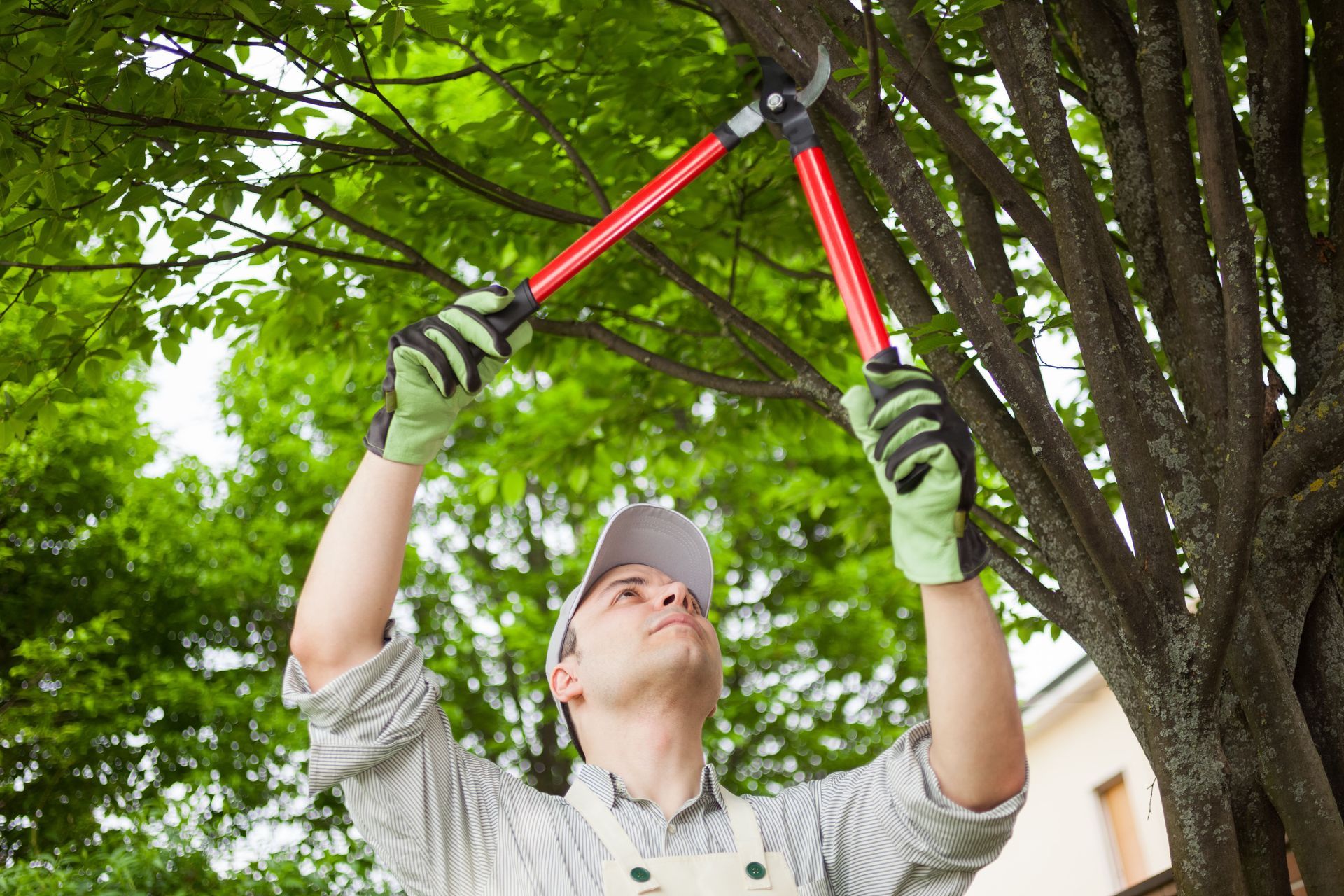
Professional residential tree services can help identify damaged limbs and determine whether selective pruning is appropriate. Removing dead branches can reduce the risk of falling debris while improving the tree's overall appearance.
Regular inspections are particularly important for mature trees with large canopies. Addressing weakened branches before they fall can help homeowners avoid unnecessary property damage and maintain safer outdoor spaces.
Recognizing Signs of Tree Disease
Tree diseases can affect nearly every part of a tree, including its roots, trunk, branches, and foliage. Fungal infections, bacterial diseases, and other pathogens may gradually weaken trees, interfering with their ability to absorb nutrients and maintain healthy growth.
Common warning signs include discolored leaves, unusual growths, premature leaf loss, bark abnormalities, and sections of the canopy that appear unhealthy. Some diseases progress slowly, while others can cause substantial deterioration within a relatively short period.
Early identification is important because certain diseases can spread to nearby trees and vegetation. According to PubMed Central, removing diseased trees is crucial for preventing the spread of pests and diseases, potentially protecting up to 90% of surrounding healthy trees and vegetation. The effectiveness of removal varies depending on the disease, tree species, and surrounding environmental conditions.
Professional residential tree services can assist homeowners in evaluating suspicious symptoms and determining whether pruning, treatment, or removal is necessary. When specialized diagnosis is required, a certified arborist can help identify the underlying cause.
Addressing disease promptly may preserve affected trees when treatment is possible and reduce the likelihood of additional problems throughout the landscape.
Addressing Overgrown and Unbalanced Canopies
Overgrown branches can create problems even when a tree appears healthy. As trees mature, their canopies may become excessively dense, develop uneven growth patterns, or extend into areas where branches interfere with structures and other landscape features.
Branches growing too close to roofs, siding, gutters, or windows can cause damage during windy conditions. Overhanging limbs may also deposit leaves and debris onto roofing systems, contributing to clogged gutters and moisture accumulation.
An unbalanced canopy can place additional stress on certain branches, particularly when heavy limbs extend far from the trunk. Although not every asymmetrical tree is structurally unsafe, unusual growth patterns may warrant professional evaluation.
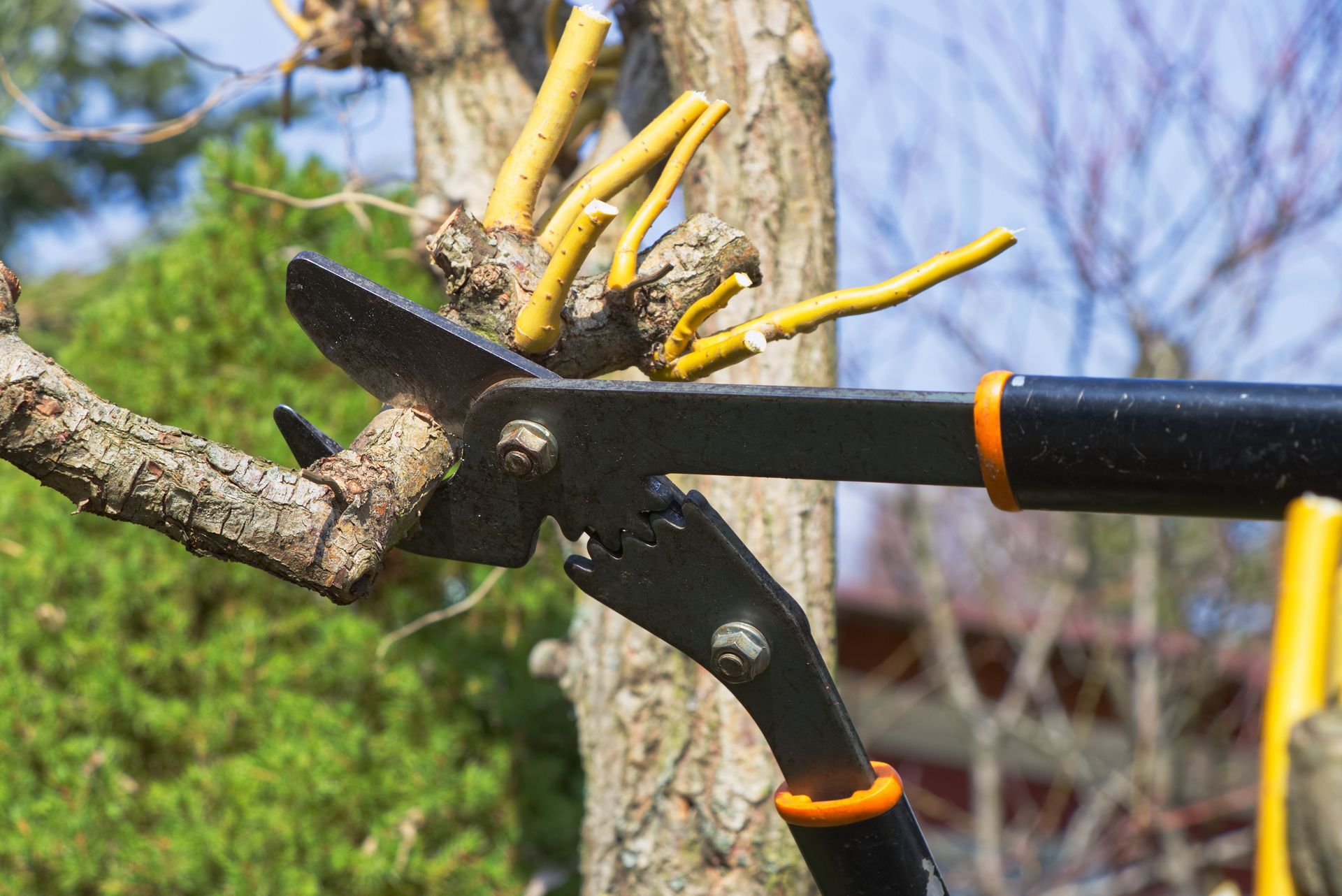
Residential tree services can help homeowners manage excessive growth through appropriate pruning techniques. Professional tree care specialists consider the tree's species, age, condition, and natural growth habits before removing branches.
Proper pruning can improve clearance around buildings, reduce certain structural concerns, and maintain the tree's natural appearance. Excessive or improper trimming, however, can weaken trees and create additional problems, making professional guidance especially valuable.
Evaluating Storm-Damaged Trees
Severe weather can cause substantial damage to residential trees. Strong winds, heavy snow, ice accumulation, and thunderstorms may break branches, split trunks, or uproot entire trees. Even when a tree remains standing after a storm, hidden structural damage can create future hazards.
Homeowners should watch for hanging branches, newly developed trunk cracks, exposed roots, and trees that have suddenly begun leaning. These conditions may indicate instability that requires immediate professional attention.
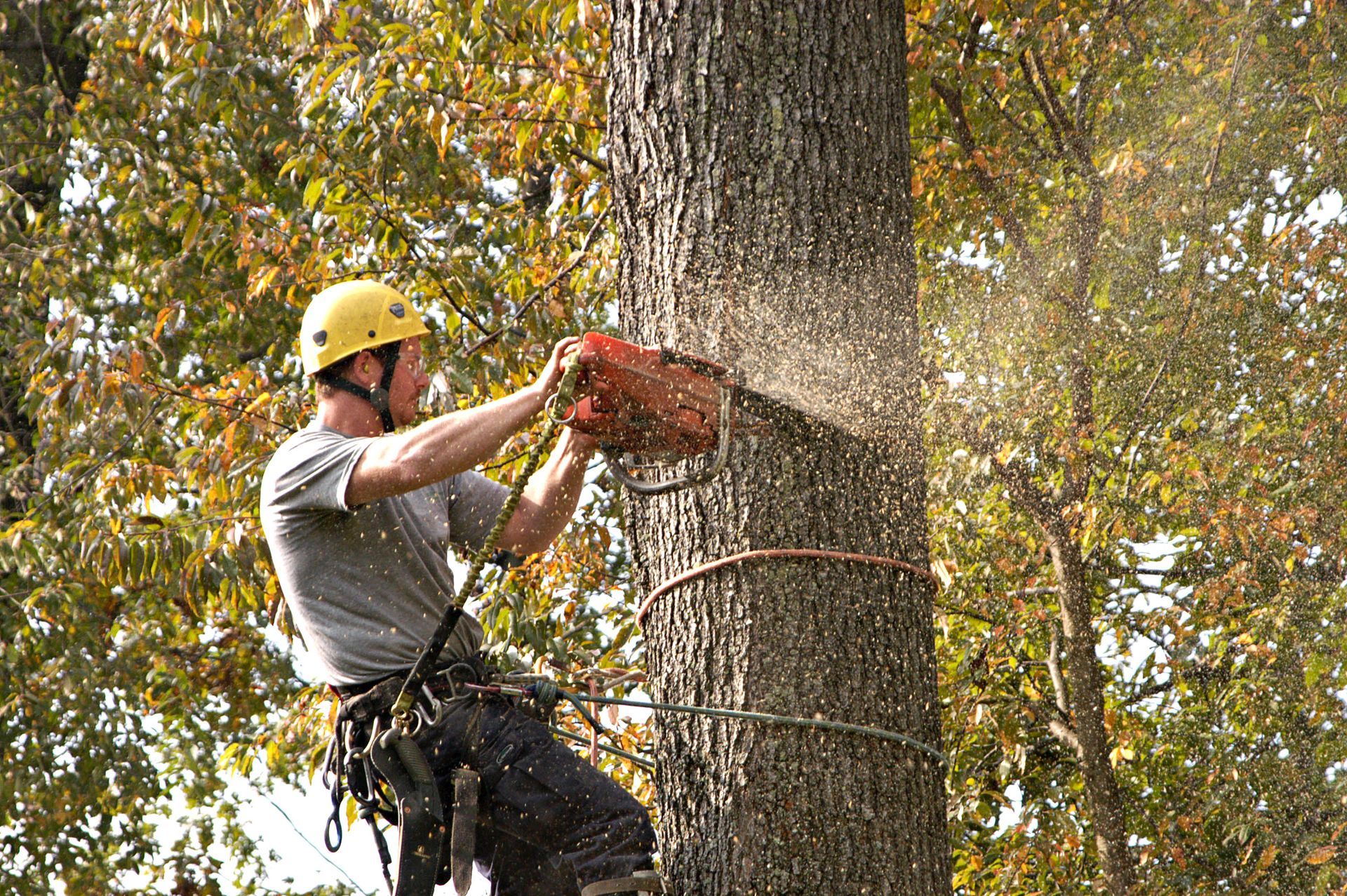
Storm-damaged trees can be particularly dangerous because broken branches and partially uprooted trunks may remain under significant tension. Attempting to remove damaged sections without appropriate equipment and training can result in serious injuries.
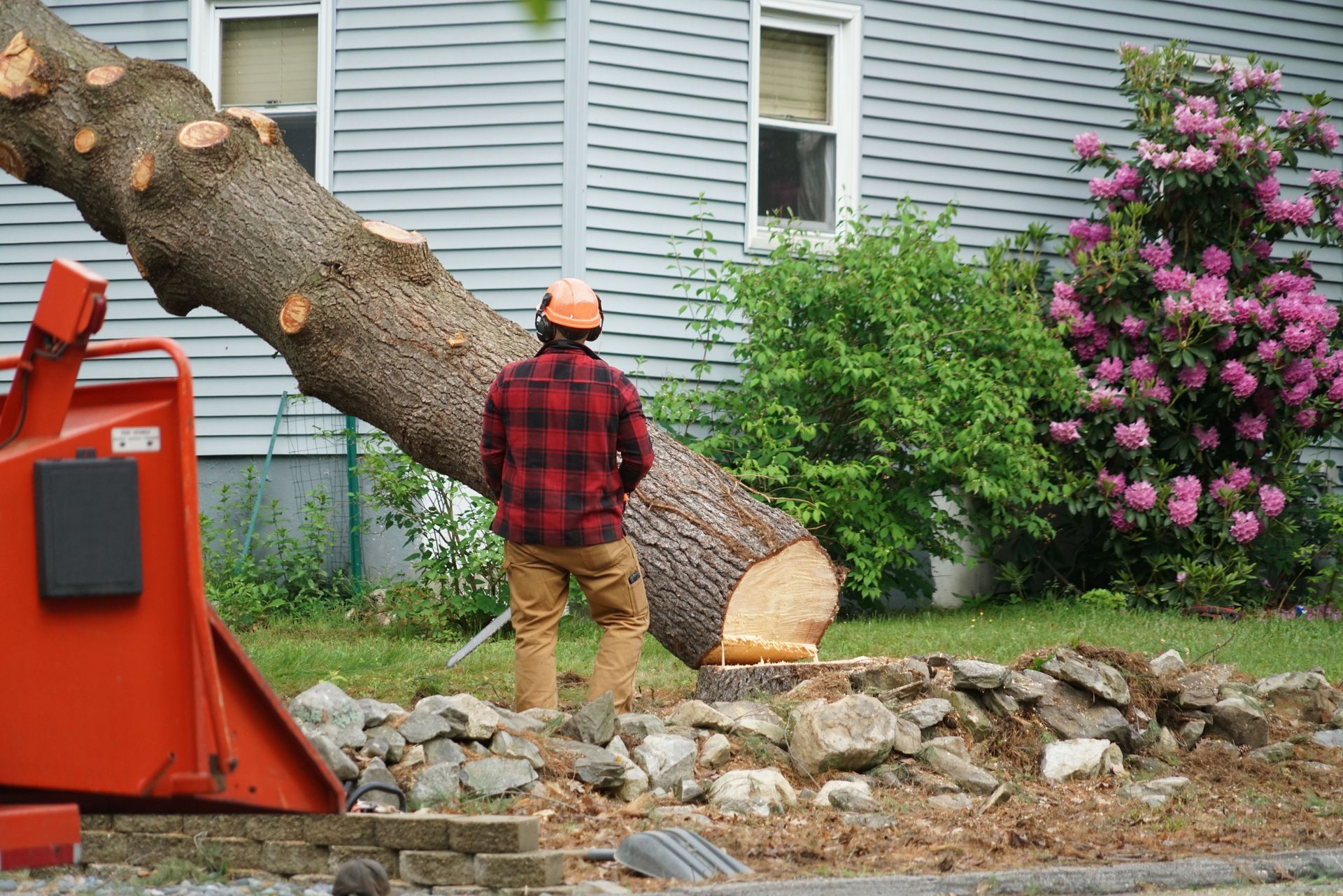
Professional residential tree services can evaluate storm-related damage and determine the safest course of action. Depending on the severity of the problem, recommendations may include removing hazardous branches, providing structural support where appropriate, or removing the tree entirely.
Prompt assessments are especially important when damaged trees are located near homes, garages, fences, or utility lines. Homeowners should remain clear of fallen electrical wires and contact their utility provider when necessary.
Investigating Root Damage and Instability
A tree's root system provides essential structural support while absorbing water and nutrients from the surrounding soil. When roots become damaged, restricted, or diseased, the tree may experience declining health and reduced stability.
Root problems can develop for several reasons, including soil compaction, construction activity, poor drainage, and fungal infections. Changes in the surrounding landscape may also affect how effectively roots obtain the resources needed for healthy growth.
Warning signs can include thinning foliage, declining branches, exposed or damaged roots, and unusual movement near the base of the trunk. Soil lifting around a tree may indicate developing instability, particularly when accompanied by a sudden lean.
Residential tree services can help identify visible signs of root-related problems and recommend further evaluation when necessary. Because much of the root system remains underground, determining the full extent of damage may require specialized assessment.
Addressing root concerns early can help homeowners understand whether a tree can be preserved or presents an unacceptable safety risk. Protecting healthy root systems during landscaping and construction projects is also important for long-term tree health.
Managing Pest Infestations and Insect Damage
Insects are a natural part of outdoor environments, and many species are harmless or beneficial to trees. However, certain pests can damage bark, foliage, and internal wood, gradually weakening affected trees.
Common warning signs include small holes in the trunk, unusual sawdust-like material, damaged leaves, and sections of bark that appear loose or deteriorated. Some insects feed on foliage, while others tunnel beneath bark and interfere with the tree's ability to transport water and nutrients.
Severe infestations can contribute to branch dieback, reduced growth, and eventual tree mortality. Additionally, certain pests may spread between nearby trees, making early identification especially important.
Professional residential tree services can help homeowners recognize damage associated with insect activity and determine whether additional evaluation is needed. Certified arborists may recommend appropriate treatments, pruning, or removal based on the pest involved and the tree's condition.
Maintaining healthy trees through proper watering, pruning, and soil management can also improve their ability to withstand certain environmental stresses. However, severely infested trees may require removal when effective treatment is no longer possible.
Tree problems can develop from disease, pests, storm damage, overgrown branches, and weakened root systems. Recognizing these concerns early can help homeowners protect their properties while preserving healthy trees whenever possible. Professional
residential tree services provide valuable assistance with identifying hazards, maintaining tree health, and addressing potentially dangerous conditions. At Nadeau Tree Service, we understand the importance of protecting your home and surrounding property. Contact us today to learn more about our available services and discuss your property's maintenance needs.