November 7, 2026
Removing a tree can improve property safety, create more usable outdoor space, and eliminate hazards caused by damaged or declining trees. However, tree removal does not always complete the job because the remaining stump can create obstacles, attract pests, and interfere with future landscaping plans. Stump grinding helps homeowners address these concerns by reducing the leftover stump below ground level. Understanding why this step matters can help property owners maintain a safer, cleaner, and more functional landscape.
Understanding the Importance of Complete Tree Removal
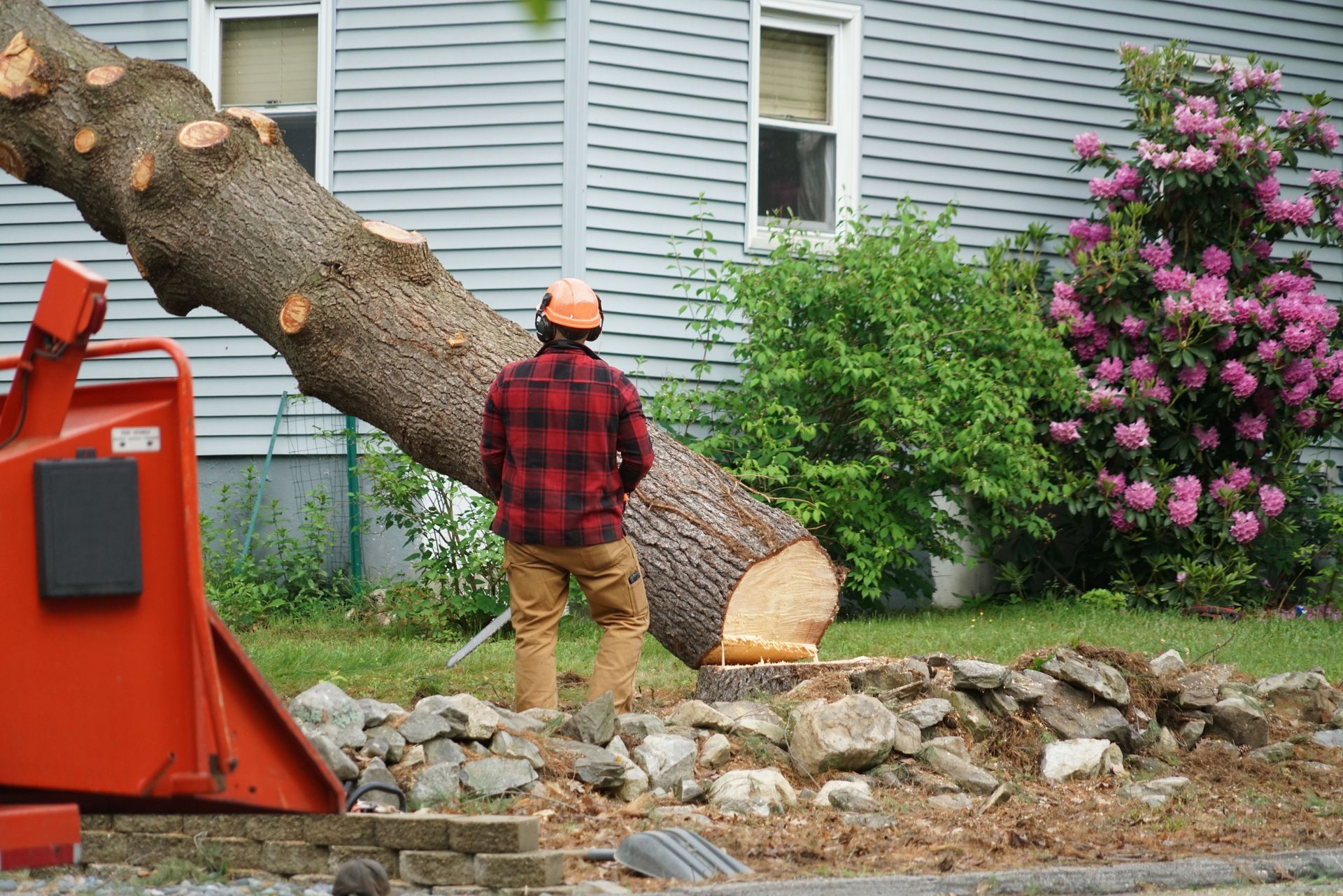
When a tree is removed, the trunk and branches are typically cut away, but the stump and portions of the root system may remain in the ground. Although a stump might seem harmless at first, it can become an ongoing concern for homeowners who want to maintain an attractive and usable yard.
Exposed stumps can interfere with mowing, create tripping hazards, and limit the placement of outdoor features. They may also begin to decay over time, potentially attracting insects and other organisms that thrive in decomposing wood. Depending on the tree species and stump condition, new shoots may also develop around the remaining base.
According to Today’s Homeowner, a tree may need to be removed when it leans more than 15 degrees and shows signs of root lifting. These warning signs can indicate instability that threatens nearby structures and people. Once a hazardous tree has been removed, addressing the remaining stump helps homeowners finish the process and prepare the area for its intended use.
Professional tree removal and stump grinding can work together to improve a property's condition. While removing the tree addresses the immediate concern, grinding the stump helps eliminate the remaining aboveground obstruction and makes the space easier to maintain.
Improving Yard Safety and Accessibility
A leftover stump can pose a safety risk, particularly in yards where children play, guests gather, or homeowners regularly perform outdoor maintenance. Grass and ground cover can eventually hide a low stump, making it difficult to see when walking or operating lawn equipment.
Grinding the stump reduces these hazards by lowering the remaining wood below the surrounding ground surface. This creates a more even area that is easier to navigate and maintain. It can also help prevent damage to lawnmower blades and other equipment that might strike an exposed stump.
Stumps can be especially inconvenient in frequently used parts of a property, including walkways, play areas, and open lawn spaces. Removing the obstruction gives homeowners greater flexibility when arranging outdoor furniture, planning garden beds, or creating recreational areas.
Completing tree removal with stump grinding also helps create a more consistent landscape. Rather than working around an inconvenient obstacle, homeowners can reclaim space for everyday activities and future improvements.
Preventing Pest Problems and Wood Decay
As a stump decomposes, it becomes a source of organic material for various insects and other organisms. Depending on the wood's location and condition, the stump may attract termites, carpenter ants, beetles, and other pests. While a stump does not automatically lead to an infestation, leaving decaying wood near a home can create an avoidable risk.
Moisture can accelerate decomposition, especially when the stump remains in contact with damp soil. Fungi may also develop as the wood breaks down. These natural processes are part of the environment, but homeowners may prefer to remove the stump to reduce decaying material in a frequently used area.
Stump grinding breaks the remaining wood into smaller pieces, helping eliminate the large, exposed stump that would otherwise continue to decay above ground. The resulting wood chips can often be used as mulch in suitable landscaping areas or managed according to the homeowner’s plans.
Removing a stump does not guarantee that pests will never appear, and some roots may remain underground. However, addressing the stump can reduce one potential source of decaying wood near the property. Homeowners who are concerned about an existing pest problem should seek appropriate pest management advice rather than relying on stump grinding alone.
Preparing the Landscape for Future Projects
An exposed stump can limit landscaping options by occupying space that could otherwise accommodate new features. Homeowners may want to install a garden, expand a lawn, add a walkway, or redesign an outdoor living area. Leaving the stump in place can complicate these projects.
Stump grinding helps open the area for future use by removing the visible portion of the stump and grinding it below the soil surface. Once the site has been assessed and prepared, homeowners may be able to restore the lawn, establish suitable plants, or incorporate the space into a broader landscape design.
The remaining roots will gradually break down, but they can affect how the area settles over time. For this reason, homeowners should consider the intended use of the space before beginning a project. A location planned for a garden may require different preparation from one intended for a new structure or paved surface.
Professional tree removal services can help property owners understand how the stump's location and condition may affect the next stage of their landscaping plans. Discussing these goals before work begins can make it easier to choose an appropriate approach.
Understanding How Professional Stump Grinding Works
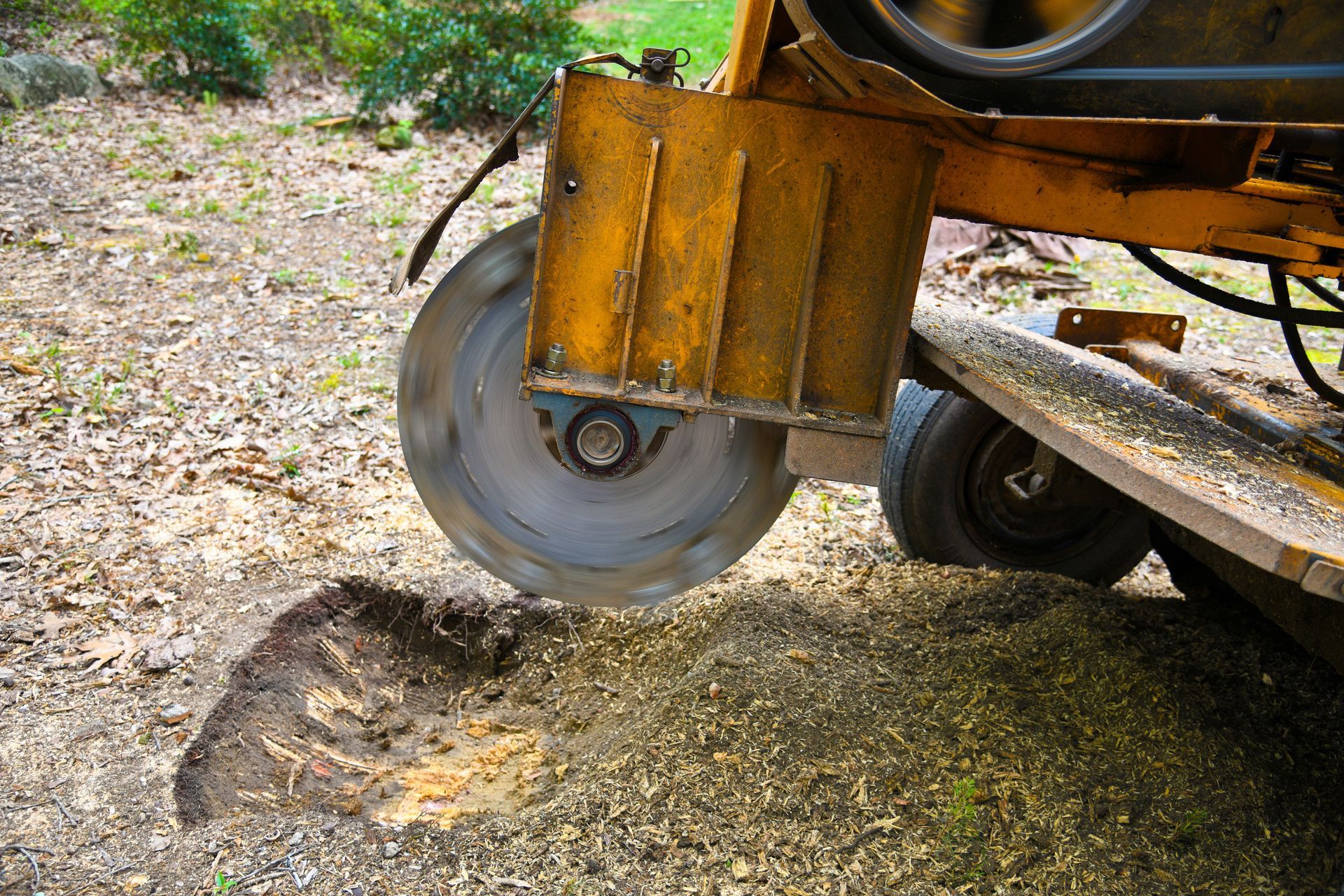
Stump grinding uses specialized equipment to chip away at the remaining stump, reducing the wood to small pieces. The equipment is operated over the stump to grind the wood down below the surrounding ground level. The exact depth and extent of grinding depend on the stump's size, location, and the homeowner's plans for the area.
Before work begins, the site should be evaluated for potential obstacles, including rocks, nearby structures, underground utilities, and other features that could affect the process. Property owners should identify known utility lines and follow appropriate locating procedures before any work that could disturb the ground.
After grinding, the area typically contains a mixture of wood chips and soil. Depending on the intended use, this material may need to be removed or redistributed before the site is filled and restored. Additional soil may be necessary to bring the area closer to the surrounding grade.
Although some homeowners may consider removing a stump themselves, professional equipment and experience can make the process more efficient and help manage the risks associated with heavy machinery. Working with an experienced tree service provider also allows homeowners to discuss site preparation and cleanup requirements.
Maintaining a Clean and Functional Property
Removing unwanted stumps contributes to a more organized landscape. An exposed stump can interrupt the appearance of a lawn, complicate mowing patterns, and make routine maintenance more time-consuming. Grinding helps restore a cleaner appearance while making the area easier to access.
Homeowners should still plan for the final cleanup and restoration. Wood chips can be useful as mulch in appropriate areas, but they may not be the best material for every planting location. Fresh chips can settle as they decompose, so they should not automatically be treated as a stable replacement for soil when preparing an area for new growth.
Once the site is prepared, homeowners can reseed the lawn, install ground cover, or incorporate the space into an existing landscape design. Periodic inspection can help identify settling or uneven ground as the remaining organic material breaks down.
Taking these steps after tree removal helps ensure the property is ready for regular use and future improvements. Nadeau Tree Service can help homeowners evaluate their tree care needs and determine the appropriate next steps for their outdoor spaces.
Completing Your Tree Care Project
Stump grinding is an important final step because it addresses the obstacle left behind after a tree has been cut down. It can improve yard safety, reduce exposed decaying wood, simplify maintenance, and create more opportunities for landscaping. Although underground roots may remain and additional site preparation may be necessary, grinding helps homeowners move closer to a clean, usable outdoor space.
Planning for stump removal as part of the overall project can also prevent the stump from becoming an overlooked problem after the primary work is finished. By considering the property's safety, appearance, and future use, homeowners can make informed decisions about how to manage the remaining wood.
For professional help completing your tree care project and reclaiming your outdoor space, contact Nadeau Tree Service to discuss your tree removal and stump grinding needs.