October 3, 2026
Severe weather can transform a healthy landscape in a matter of hours. High winds, heavy rain, saturated soil, lightning, and falling debris can weaken trees, break major limbs, expose roots, and create structural instability that is not always obvious from the ground. Even when a damaged tree remains standing after a storm, hidden problems may make it a potential hazard for nearby homes, vehicles, utility lines, and outdoor areas.
Evaluating storm-damaged trees promptly is an important part of restoring a property after severe weather. Some trees may recover with appropriate professional care, while others may have sustained damage that makes preservation impractical or unsafe. In those situations, tree removal can help eliminate hazards and create safer conditions for property cleanup and recovery. Understanding what professionals look for after a storm can help property owners make informed decisions without underestimating damage that may worsen over time.
Recognizing Storm-Related Tree Damage
Storm damage can appear in many forms, ranging from obvious fallen trunks to subtle cracks that compromise a tree’s stability. Broken branches hanging in the canopy are among the most visible warning signs. These damaged limbs can remain caught between other branches and may fall unexpectedly, particularly when additional wind or rain moves through the area.
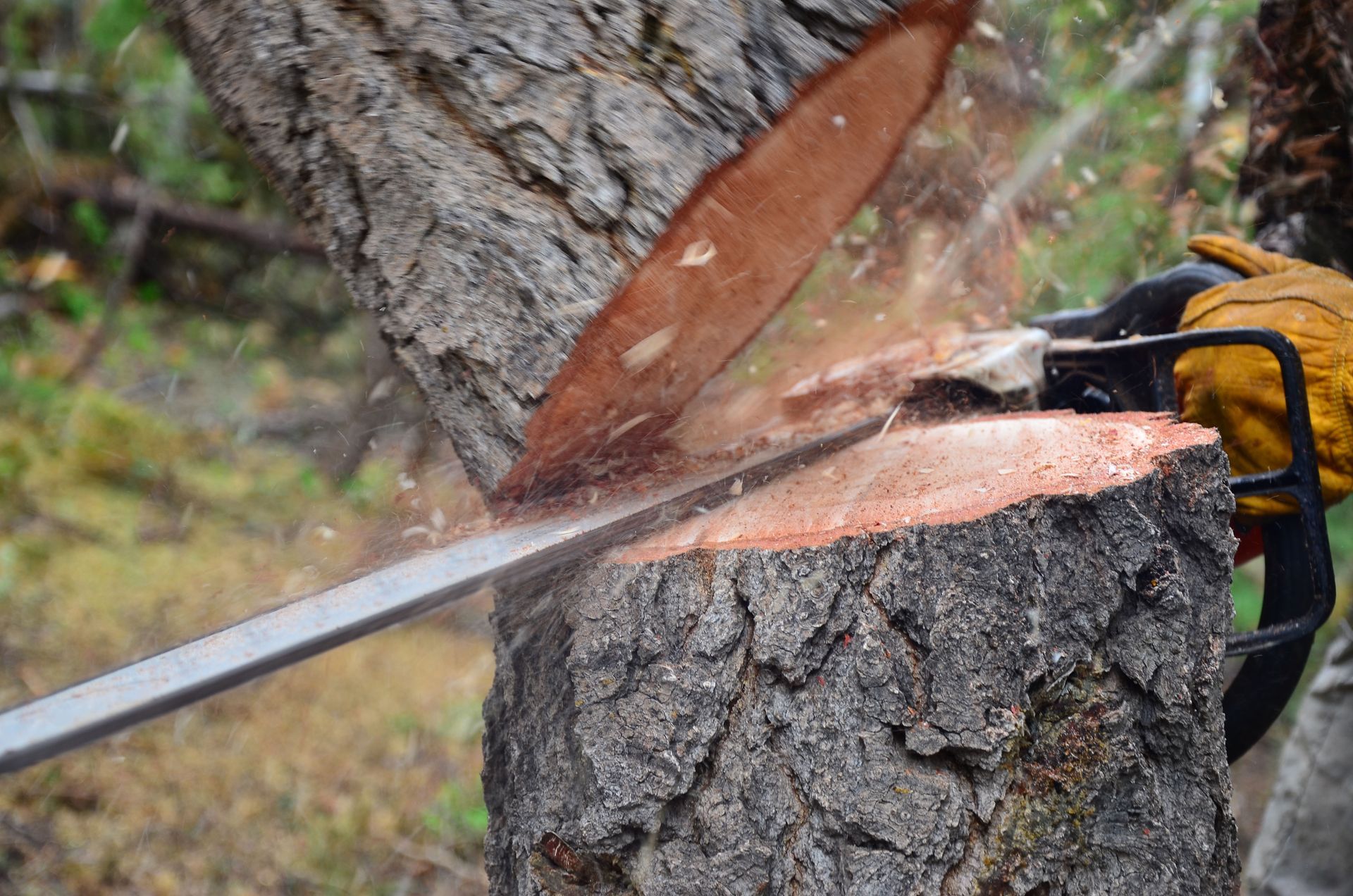
Damage near the trunk deserves particular attention. Deep cracks, large areas of missing bark, split trunks, or separation between major stems may indicate that a tree has lost important structural support. A tree can continue standing despite significant internal damage, making a professional evaluation valuable before people resume normal activity around it. When the structural damage is extensive, tree removal may be considered as part of the property’s recovery plan.
Identifying Hazards After Severe Weather
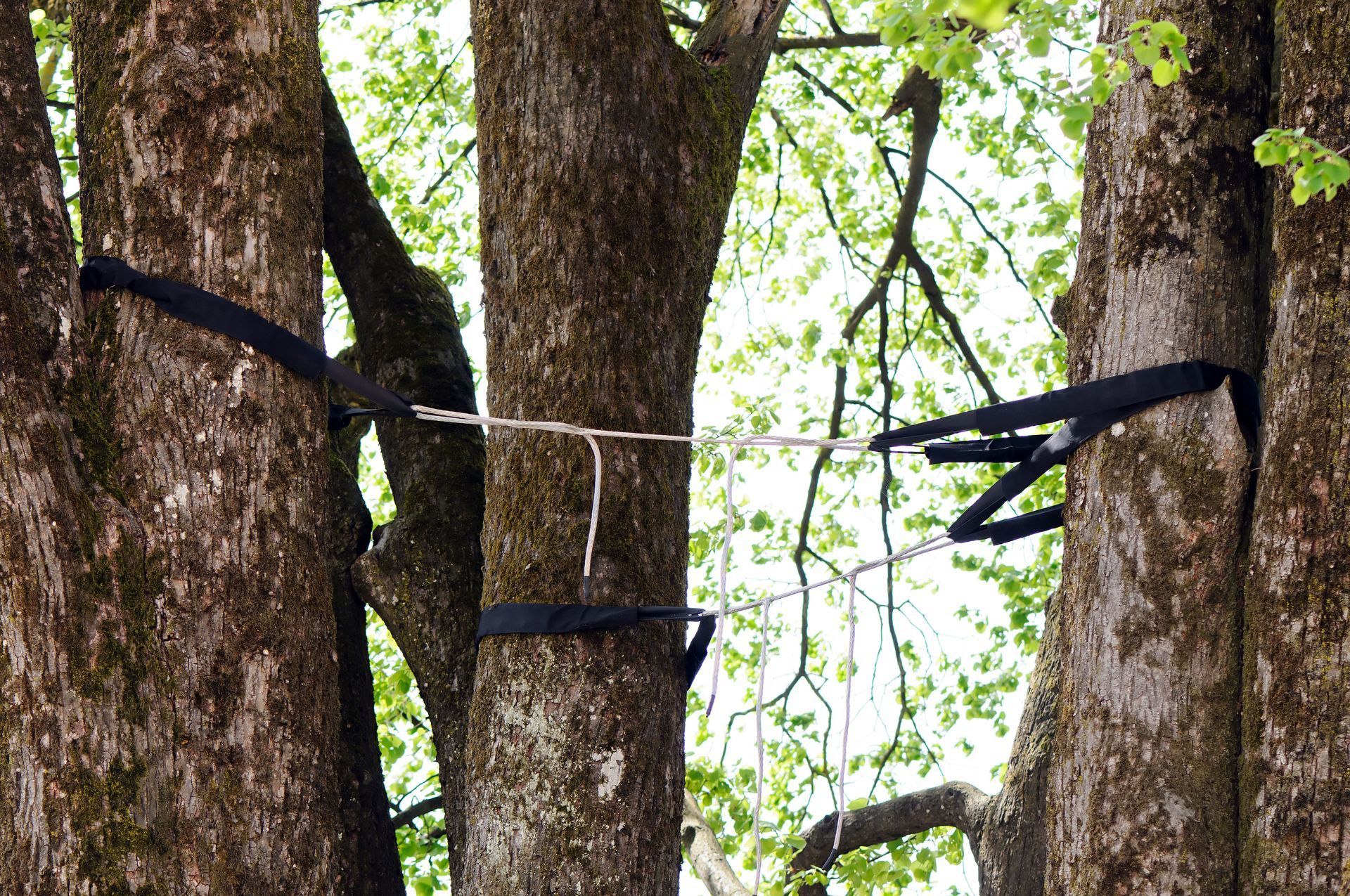
A storm-damaged tree does not need to fall completely to create a safety concern. Trees leaning toward buildings, driveways, sidewalks, neighboring properties, or other frequently used areas may require immediate professional attention. Hanging branches and fractured limbs can also create unpredictable hazards because their remaining attachment points may be significantly weaker than they appear.
According to the Arbor Day Foundation’s 2025 Canopy Report, 62% of Americans reported seeing natural disasters significantly affect their local tree canopy, demonstrating why professional inspections and tree removal services may be necessary following severe weather. Widespread tree damage can affect individual properties as well as surrounding neighborhoods, particularly when storms place similar stresses on many mature trees at once.
Evaluating Whether Trees Can Recover
Storm damage does not automatically mean that a tree must be removed. A qualified professional can evaluate the extent of damage and determine whether enough healthy structure remains to support recovery. Factors such as trunk condition, root stability, canopy loss, species characteristics, previous health, and the location of major fractures can influence that assessment.
When preservation is reasonable, appropriate tree care may support long-term recovery. However, retaining a severely compromised tree simply because it remains standing can allow an existing problem to become more serious. When structural integrity has been substantially reduced, and recovery is unlikely, tree removal may provide a more appropriate long-term solution.
Understanding Hidden Structural Problems
One reason professional inspections are valuable after severe weather is that not every problem can be identified through a quick visual check from the ground. A storm can expose weaknesses that developed gradually before the weather event occurred. Decay, cavities, weakened branch unions, damaged roots, and internal structural defects may become more significant after the tree experiences intense wind or saturated soil.
Professional evaluation helps place visible symptoms within the broader condition of the tree. Instead of focusing only on broken branches, an assessment can consider the trunk, roots, canopy, surrounding structures, and likely consequences of additional failure. If these factors indicate that the tree can no longer remain safely in place, tree removal may reduce the possibility of additional property damage.
Protecting Properties From Additional Damage
The period immediately after a major storm can be challenging because property owners may be dealing with several forms of damage simultaneously. Roofing materials, fencing, landscaping, vehicles, drainage systems, and outdoor structures can all be affected. Unstable trees can complicate these repairs if damaged branches or trunks remain positioned over areas that need to be accessed.
Timely tree removal may be particularly important when a compromised tree is positioned close to a home or other valuable structure. Delaying professional assessment can allow environmental conditions to place additional stress on already weakened roots, trunks, or branches. Prompt evaluation provides clearer information about which trees can remain and which may pose continuing concerns.
Planning for Landscape Recovery
Once immediate hazards have been addressed, attention can shift toward the future of the landscape. Storm damage can dramatically change shade patterns, privacy, wind exposure, and the overall appearance of a property. The loss of a mature tree can be significant, but careful planning can help property owners determine how remaining trees and future plantings should be managed.
An assessment of surrounding trees may be useful even when they show less obvious damage. Trees growing close together can influence one another, and the loss of a large tree may change how wind moves through the remaining canopy. Trees that were previously sheltered may suddenly experience greater exposure during future storms.
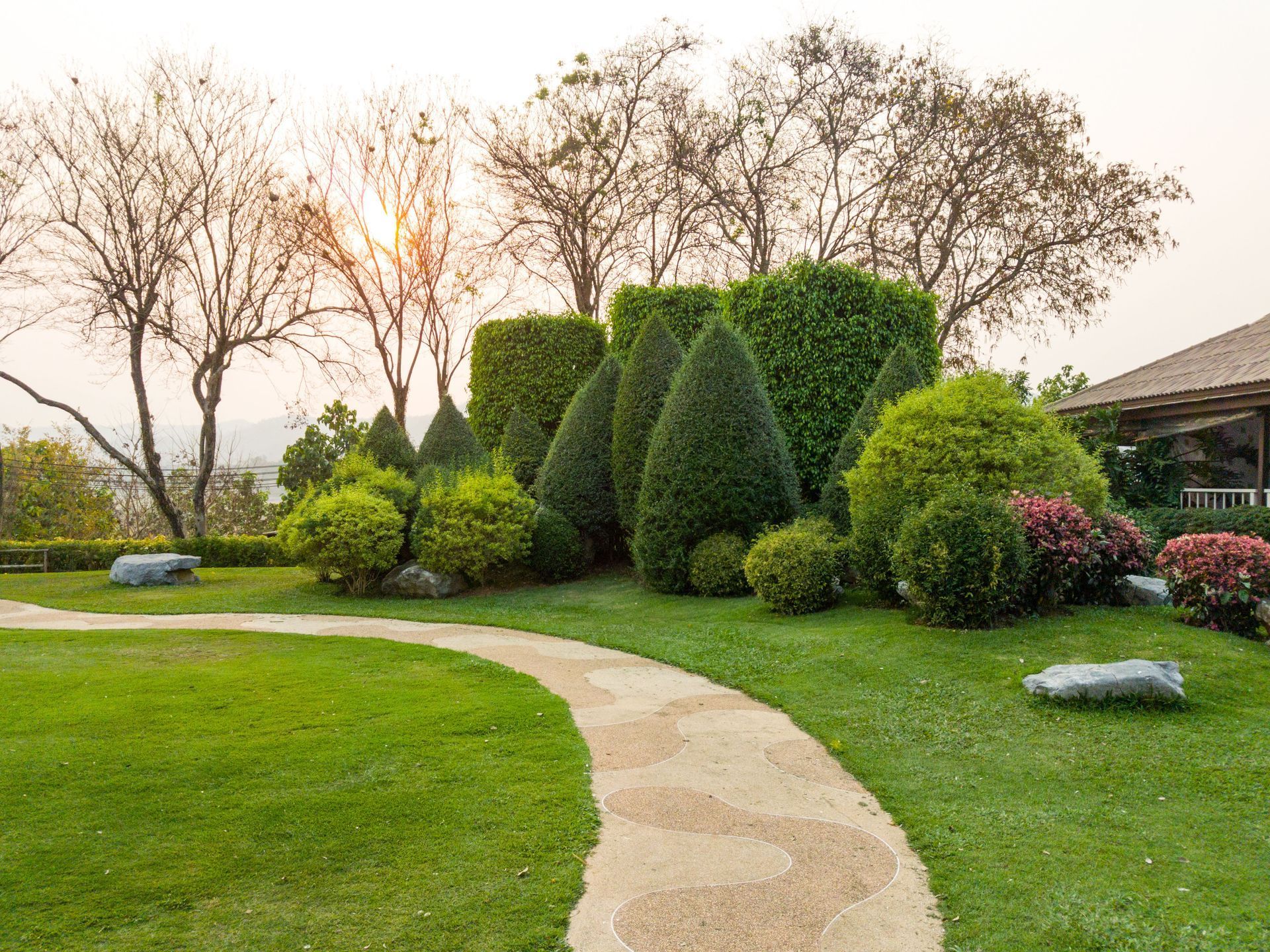
Following tree removal, property owners can also consider appropriate cleanup and restoration needs for the affected area. Future landscaping decisions may take available space, soil conditions, drainage, surrounding structures, and long-term growth into account. Thoughtful recovery can help restore the function and appearance of a landscape while considering how new plantings will interact with existing trees.
Reducing Risks Before Future Storms
Although severe weather cannot be prevented, routine professional tree care can help identify potential concerns before the next storm arrives. Trees naturally change as they grow, and branches, roots, and trunks can develop weaknesses over time. Regular evaluations can identify conditions that deserve attention before strong winds or heavy rainfall place additional stress on them.
The goal is not necessarily to eliminate every tree that presents an imperfection. Mature trees provide valuable environmental and aesthetic benefits, and many can continue thriving with appropriate care. Professional evaluation helps distinguish manageable conditions from serious structural concerns, allowing tree removal to be reserved for situations in which it is warranted.
Choosing Professional Care After Storm Damage
Storm recovery requires careful decisions, particularly when damaged trees are located near homes, vehicles, utilities, or frequently occupied spaces. A professional tree service can evaluate the condition of affected trees, identify hazards that may not be immediately visible, and determine whether preservation remains practical.
Property owners should avoid assuming that a standing tree is automatically stable or that every damaged tree needs to come down. The appropriate response depends on the nature and severity of the damage. A thorough assessment can provide the information needed to make decisions based on structural condition rather than appearance alone.
Professional care is especially important when large branches, leaning trunks, unstable root systems, or nearby infrastructure make the situation complex. Experienced crews have the knowledge and equipment necessary to address damaged trees while accounting for surrounding property and site conditions.
Restoring Safety and Confidence After a Storm
Severe weather can leave lasting effects on trees even after the immediate storm has passed. Broken limbs, weakened trunks, disturbed roots, and hidden structural problems may continue creating concerns long after debris has been cleared. Prompt professional evaluation helps determine which trees can recover and which require additional attention.
When a damaged tree cannot be safely preserved, tree removal can become an important part of restoring the property and preparing the landscape for recovery. Combining timely inspections with ongoing tree care can also help identify vulnerabilities before future storms place additional stress on the landscape.
For professional assistance evaluating storm-damaged trees, contact Nadeau Tree Service. We can assess affected areas, help determine an appropriate course of action, and provide our experience to address damaged trees safely. Reach out to us to discuss the condition of your property and your tree care needs.