November 20, 2026
Removing a tree yourself might seem like a straightforward way to save money, especially when branches are overhanging your roof or a damaged trunk is taking up valuable yard space. However, cutting down a tree involves more than equipment, physical effort, and a free weekend. Homeowners can face unexpected expenses when accidents, property damage, insurance disputes, or local regulations turn a simple project into a legal problem.
Understanding these potential costs before getting started can help you make a more informed decision. Although handling the work independently may appear less expensive initially, the financial consequences of a mistake can outweigh the cost of hiring an experienced professional. Knowing where legal risks arise can help you protect your property, finances, and relationships with your neighbors.
Understanding Liability and Legal Responsibility
One of the most significant risks of DIY tree removal is the possibility of being held responsible for an accident. A falling branch can injure a passerby, damage a visitor's vehicle, or strike someone helping with the project. Depending on the circumstances and applicable laws, a homeowner may face medical expenses, compensation claims, and attorney fees. Even when an accident happens unexpectedly, questions about negligence and reasonable safety precautions can become part of a legal dispute.
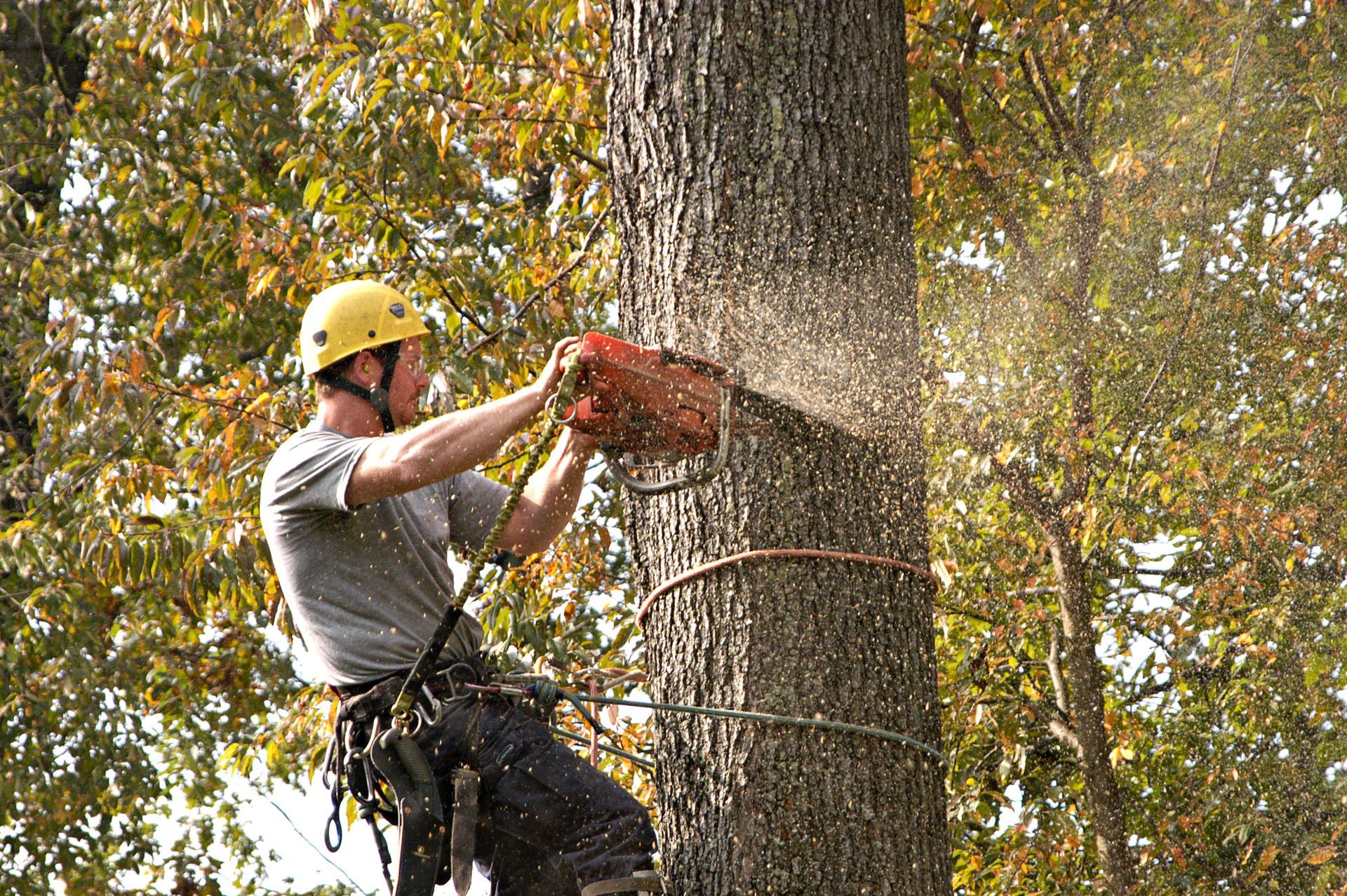
Homeowners should also consider the risks associated with ladders, chainsaws, and unstable trees. A lack of training can make it difficult to recognize hazards or control where heavy branches will fall. While safety equipment and careful planning can reduce certain dangers, they cannot eliminate every risk. Hiring a qualified professional can help reduce exposure to these problems because trained crews follow established safety procedures and typically carry insurance appropriate to their work.
Protecting Neighbors and Property Boundaries
A tree may stand entirely on your property, but its branches and roots can affect neighboring homes, fences, driveways, and landscaping. If a tree or heavy limb falls across a property line during DIY tree removal, you could face a dispute over responsibility for the resulting damage. Resolving disagreements may require repair estimates, insurance investigations, legal consultations, or court proceedings. These expenses can quickly become more burdensome than the original project.
Before cutting any tree, homeowners should understand their property boundaries and consider nearby structures, utility lines, and shared spaces. Communicating with neighbors about potential risks can also prevent misunderstandings, particularly when branches extend over a fence or a tree stands close to adjoining land. According to HomeGuide, the cost of removing large tree limbs varies with the tree's species, dimensions, and accessibility, and taller trees may require a bucket truck. This illustrates why seemingly simple work can involve specialized equipment and careful planning, especially when a mistake could affect someone else's property.
Avoiding Permit Violations and Regulatory Penalties
Local regulations can create another unexpected expense for homeowners who plan to remove trees without professional guidance. Some municipalities require permits for certain trees, particularly protected species, trees in designated conservation areas, or trees that meet specific size requirements. Rules can also differ between residential neighborhoods, historic districts, and properties subject to environmental restrictions. Removing a regulated tree without authorization may result in fines, restoration requirements, or orders to replace the tree.
Before beginning a project, check with your local planning department or relevant municipal authority to determine which rules apply. Do not assume that owning the land automatically gives you permission to remove every tree on it. Requirements can vary significantly by location, so confirming the rules beforehand is essential. A professional service familiar with local requirements may also help identify potential permitting issues, reducing the likelihood of costly administrative mistakes.
Reviewing Insurance Coverage and Exclusions
Homeowners insurance can provide financial protection against certain accidents, but coverage is not unlimited. A policy may cover specific types of sudden damage while excluding other situations involving negligence, intentional work, or particular circumstances surrounding an incident. If a DIY project causes damage to a neighboring structure or results in an injury, the insurer will evaluate the claim according to the policy's terms and applicable law. An unexpected coverage denial or partial payment can leave the homeowner responsible for substantial expenses.
Before attempting a potentially hazardous project, review your policy and contact your insurance provider with specific questions about liability and property damage. You should also understand that a neighbor's insurance company may seek reimbursement from the party legally responsible for a covered loss. Professional contractors generally carry insurance intended to address certain risks associated with their work, although coverage varies by provider and policy. Ask for proof of insurance and clarify what protections are available before agreeing to any work.
Assessing Structural Damage and Repair Expenses
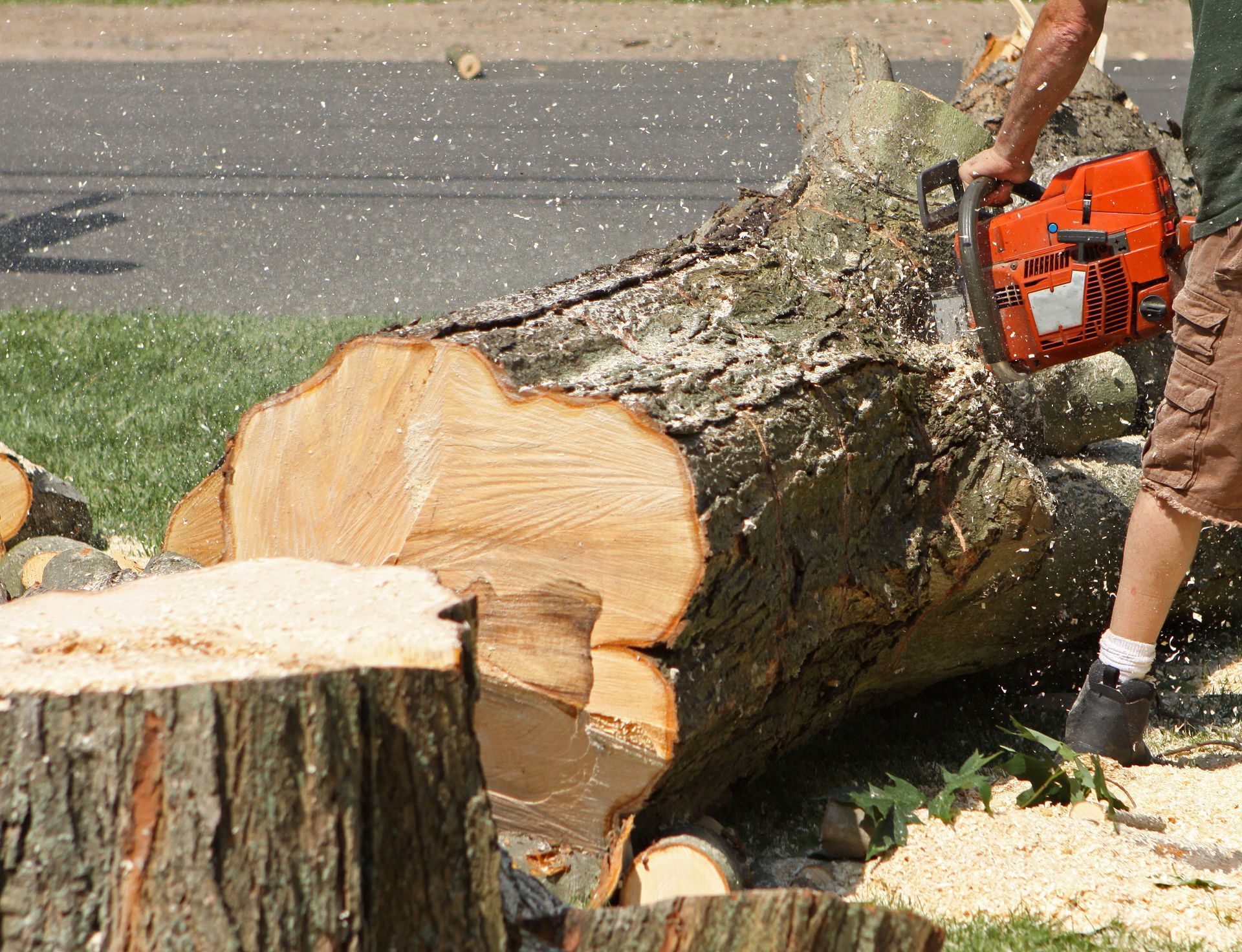
A tree does not always fall in the direction a homeowner expects. Improper cuts, hidden decay, shifting weight, and changing weather conditions can cause a trunk or branch to strike a roof, garage, vehicle, fence, or driveway. The resulting damage may require structural inspections, emergency repairs, and negotiations with insurers. If the incident also raises questions about negligence or responsibility, legal expenses can add another layer of financial pressure.
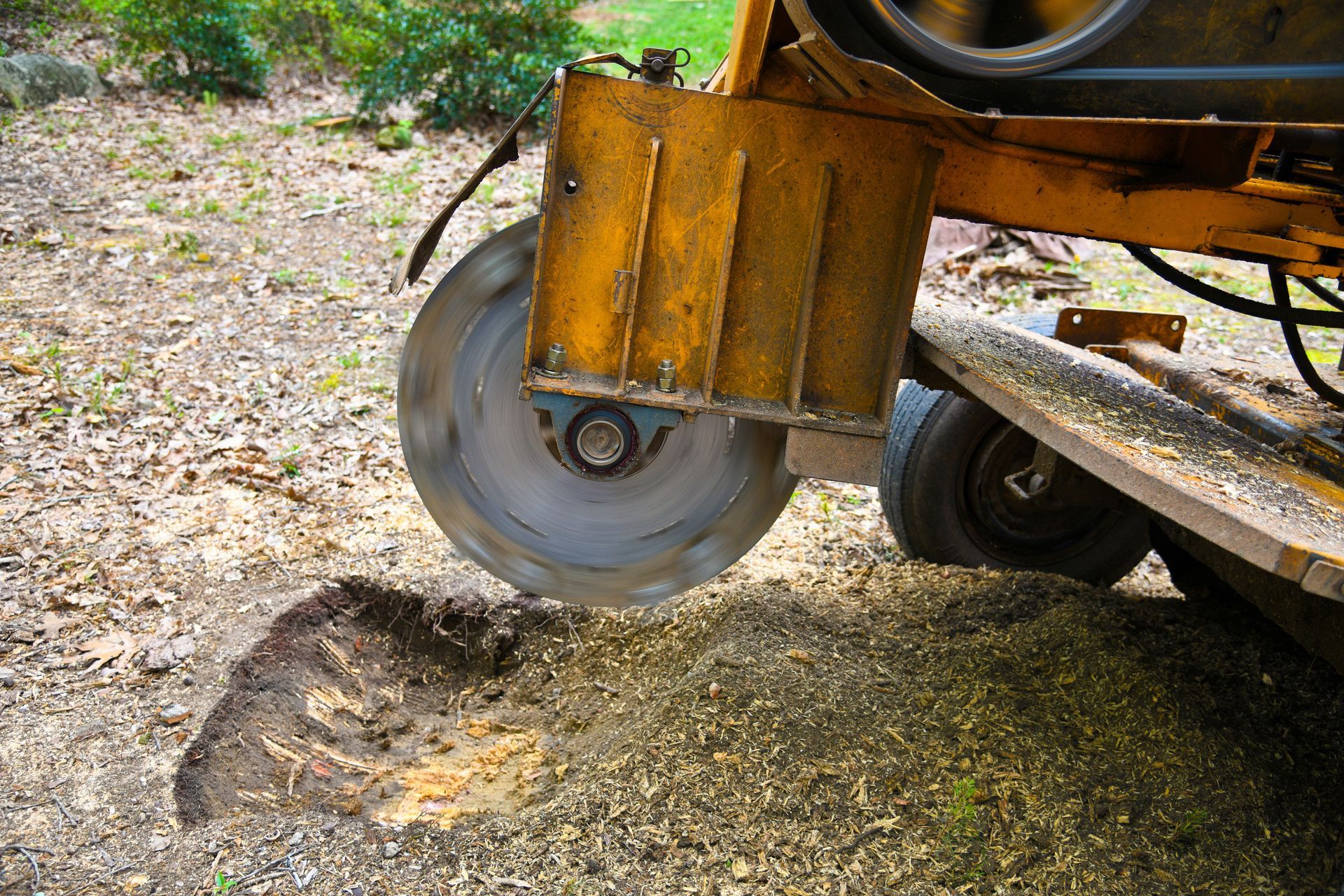
The condition of surrounding property matters, too. Heavy equipment used without proper preparation can damage lawns, irrigation systems, underground utilities, or paved surfaces. According to Bob Vila, a properly maintained asphalt driveway can last approximately 20 to 30 years, depending on maintenance and other conditions. Damage to a driveway can therefore create an additional repair expense that homeowners might not anticipate when planning a project. Careful equipment selection and professional assessment can help reduce avoidable damage to existing property.
Managing Injury Claims and Legal Disputes
Even when homeowners take precautions, a serious accident can lead to a personal injury claim. A friend who agrees to help, a contractor working nearby, or a person passing through the area could be injured by falling debris or improperly handled equipment. Depending on the facts, the homeowner may face questions about negligence, insurance coverage, and responsibility for medical expenses. Legal representation and settlement negotiations can add significant costs, even when a dispute does not proceed to trial.
Disagreements can also arise over cleanup, damaged property, or whether a contractor completed work according to the agreed terms. Keeping records, documenting existing damage, and understanding contractual responsibilities can help homeowners address concerns more effectively. When hiring a professional, request a written estimate, confirm the scope of work, and ask about insurance and cleanup arrangements. These practical steps help clarify expectations and provide documentation if a disagreement occurs later.
Reducing Financial Risks Through Professional Planning
Avoiding legal complications begins with recognizing when a project requires specialized knowledge and equipment. A qualified tree service can assess the tree's condition, identify nearby hazards, and determine an appropriate method for tree removal. Professional assistance may involve an upfront expense, but comparing that price with possible repair bills, legal fees, fines, and insurance complications provides a more realistic view of the total cost. It also helps homeowners avoid taking on dangerous work beyond their experience.
Before proceeding with tree removal, obtain written estimates from qualified providers and ask about licensing requirements, insurance coverage, permits, debris removal, and additional charges. Compare the services included rather than choosing a provider solely on price. If the tree is near power lines, buildings, or public areas, leave the work to appropriately qualified professionals and contact the utility company when necessary. A careful decision can protect your property and budget while reducing the likelihood of preventable legal disputes.
DIY tree work can lead to unexpected legal and financial costs, including liability claims, fines, insurance disputes, and property damage. Understanding local regulations, assessing risks, and comparing professional estimates can help you avoid costly mistakes associated with tree removal.
Protect your property and budget with careful planning. Contact Nadeau Tree Service to discuss your tree removal needs and explore suitable solutions.